Trusted Solar Specialists
Solar Power Systems (PV) Horowhenua to Wellington
Thinking about solar for your home or business?
Helping homes and businesses across the region switch to reliable, cost-effective solar energy solutions.
How does Solar work?
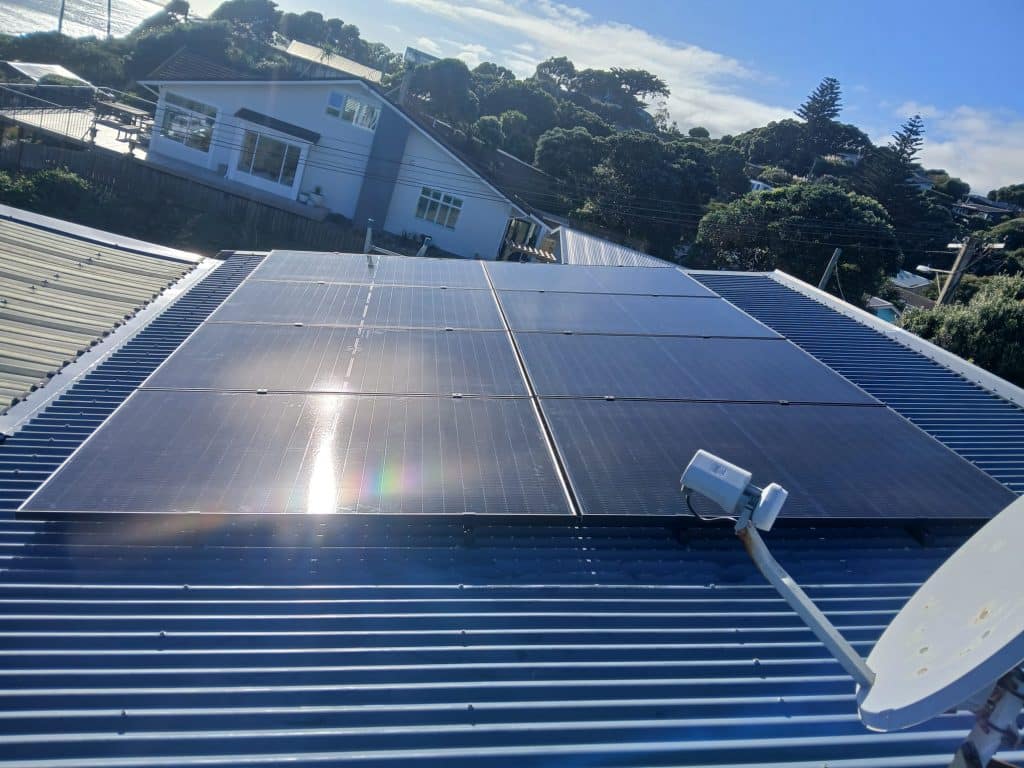
Solar panels convert sunlight into electricity. Light energy (photons) hits the solar panels and excites the electrons in the atoms of a semi-conducting material (for example silicon), and the movement of these electrons results in an electric current.
New Zealand has good sunshine hours and solar works across the country. Solar works best in sunny areas such as Nelson/Marlborough, especially when there are high levels of direct sunlight, but some electricity is also generated on cloudy days. Solar generates no electricity at night.
What does a Solar Electricity System look like?
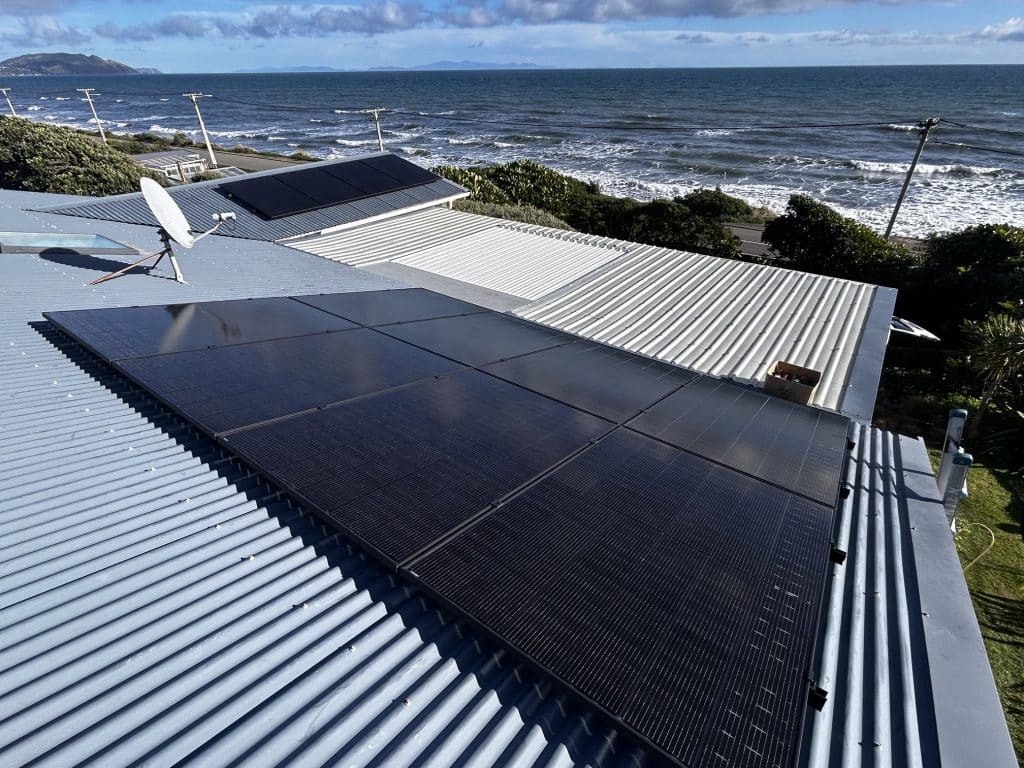
Solar electricity systems usually include:
Most houses with Solar will need to buy electricity from a retailer
As solar doesn’t generate at night and it doesn’t always generate enough electricity when you need it, most solar installations in New Zealand are ‘grid-tied’. The house remains connected to the electricity grid and electricity continues to be purchased from a retailer during times when the solar system does not generate enough electricity.
Some households choose to go ‘off-grid’, disconnecting from the grid entirely and purchasing batteries to provide electricity when the panels are not generating enough electricity to meet demand. Although battery prices are falling, this approach won’t make economic sense for most households. However, for new houses facing a high cost to connect to the grid, going ‘off-grid’ with solar and batteries may be cost-effective.
At times solar will generate more electricity than can be used, allowing households to sell electricity to an electricity retailer. The retailer buys this electricity at a ‘buy-back rate’- these vary but are lower than the amount companies charge you for electricity. This means households with solar get greater value out of using the electricity they generate themselves, rather than selling it back to a retailer.
When considering solar, consider the buy-back rates on offer. You may need to switch from your current retailer to access a buy-back rate. The retailer offering the best buy-back rate may not necessarily charge the lowest for the electricity they sell.
For safety reasons, grid-tied solar electricity systems do not operate during power cuts. Off-grid solar is unaffected.